

In This Corner (and Other Corners) of the World - Thank you, for finding me in this corner of the world
The story begins in the 1930s with Suzu, a dreamy, artistic girl growing up in Eba, near Hiroshima. She loves to draw and has a vivid imagination. She paints a picture of her classmate Tetsu, which later helps him win a competition. In 1943, at age 18, Suzu enters an arranged marriage with Shusaku Hojo and moves to Kure to live with his family.
Suzu adapts to her new life as a housewife, managing daily chores, rationing, air raid drills, and the complexities of her new family. Her sister-in-law Keiko and Keiko's young daughter Harumi move in with them. Keiko is somewhat arrogant and often criticizes Suzu's work. Harumi, however, becomes a devoted companion to Suzu, following her everywhere.
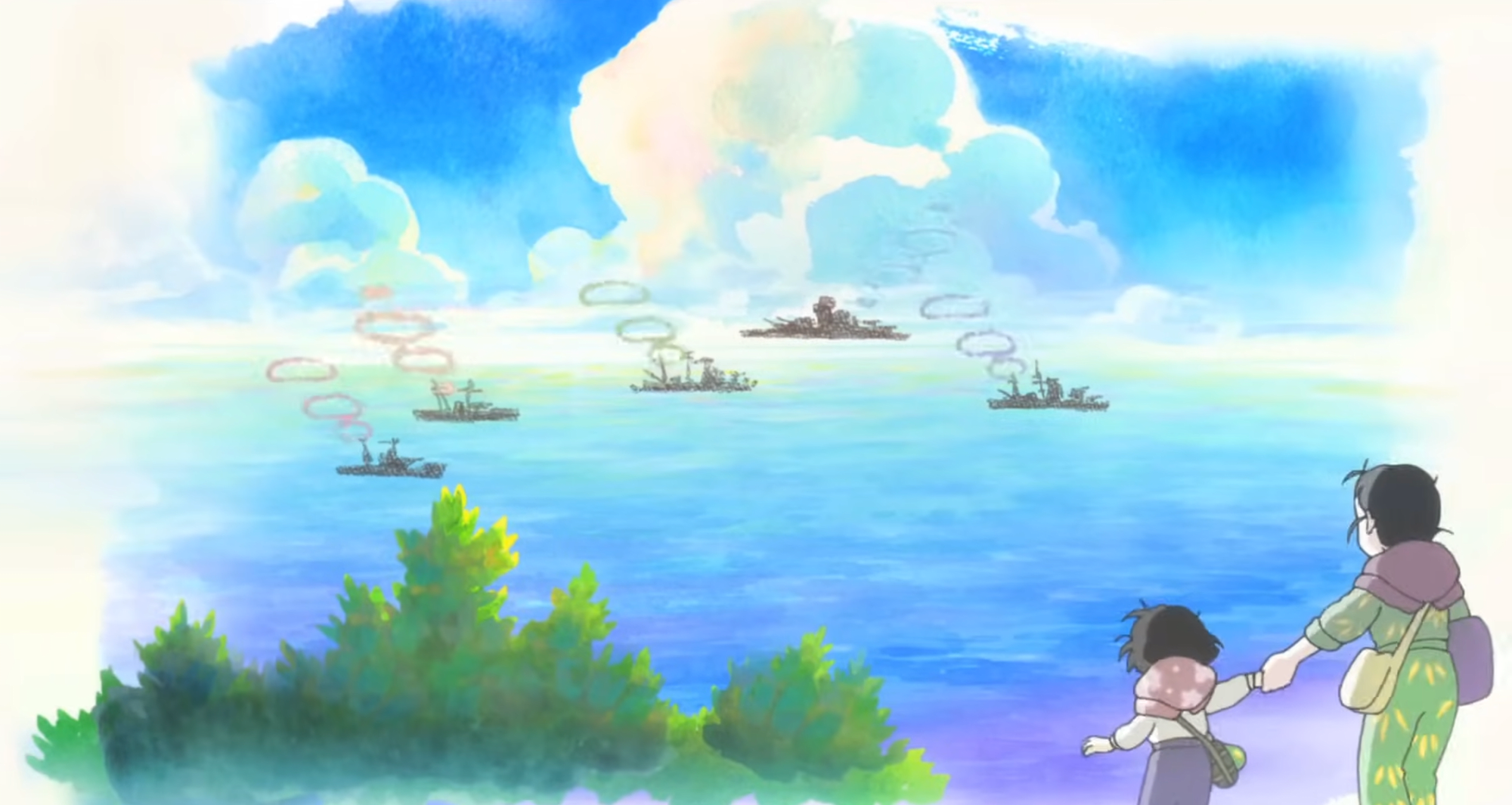
Despite the growing threats of war, Suzu finds beauty in small moments. She maintains her creativity by sketching her surroundings, develops a tender relationship with her husband, and grows close to young Harumi.
In 1944, Tetsu visits Suzu's home, now a sailor, hoping to stay temporarily. He regrets never confessing his love when they were young. Though Suzu once loved him too, she is married now and declines. The following spring, Shusaku is drafted by the Navy.
As the war intensifies, tragedy strikes. During an air raid, Suzu and Harumi are caught in a bombing. Harumi is killed, and Suzu loses her right hand. Keiko blames Suzu for failing to protect her daughter. Overcome by grief and guilt, Suzu falls into despair. She questions whether she still belongs in the family and doubts her ability to contribute.
In August 1945, the atomic bomb is dropped on Hiroshima. Suzu is spared. She had planned to return to Hiroshima that day, but delayed the trip for a doctor's appointment.
A few days later, the emperor announces the war's end. Despite these overwhelming losses, Suzu chooses to continue living. She returns to her childhood home in Hiroshima. The house was destroyed and her mother was killed in the initial blast. Her father survived but died of illness a few months later. Her sister Sumi is the only survivor, but she is seriously ill as well.
Shusaku returns and reunites with Suzu. In the ruins, they find a war orphan and decide to care for the child. The film ends with Suzu embracing life and finding purpose in this corner of the world she calls home.
It's difficult to imagine how hard their life will be after the war. They have suffered the loss of family members during wartime. Now, they must find strength and rebuild their home together. Life is full of unexpected twists and turns, but despite the challenges we face, we must find the strength to keep moving forward, especially during times of hardship and difficulty. We must cultivate resilience within ourselves and actively search for hope and meaning, even in the most seemingly hopeless and darkest of places. War brings devastating brutality and unimaginable suffering, and it is precisely because of this that we must deeply cherish and protect the peace we have.